
What Should You Expect From a Desentupidora in Sacomã?
Your kitchen sink is backing up, the shower drains slowly, or worse, sewage is rising through the floor drain. You need someone who can clear the blockage without turning your apartment into a construction site. That is exactly the situation where a desentupidora Sacomã should be your first call. This review walks through what actually happens when you hire one, based on a proper test of the service in the neighborhood.
What does a desentupidora in Sacomã actually do?
A desentupidora is a drainage and sewer specialist. In Sacomã, most calls are for blocked kitchen lines, slow bathroom drains, backed-up toilets, and overloaded building sewer stacks. The technician arrives with mechanical augers, high-pressure jetting hoses, and inspection cameras to locate the obstruction before touching anything.
The job is not just poking a hole through the clog. A proper service confirms the pipe material, the blockage type, and whether the problem sits inside your unit or in the shared building line. That distinction matters in a dense neighborhood like Sacomã, where many buildings share older clay or cast-iron stacks.
How do you know you need emergency service instead of waiting?
Not every slow drain is an emergency. But three signals mean you should stop using water and call immediately. First, sewage backing up into multiple fixtures at once. Second, a strong rotten-egg smell coming from drains that never had it before. Third, water pooling around a floor drain after a single shower.
If you live in a ground-floor apartment in Sacomã, watch for water seeping up near the base of the toilet. That usually points to a blockage further down the shared line, not just your fixture. Waiting overnight can turn a simple clog into a flooded bathroom.
For urgent cases, a desentupidora Sacomã São Paulo SP team with 24-hour dispatch is the practical choice. They can isolate the line, stop the backup, and tell you whether the building manager needs to be involved.
What happens during the first visit?
Here is the sequence I observed during a test call. The technician arrived within the promised window, asked which fixtures were affected, and checked the building’s cleanout access before bringing equipment inside. That last step is often skipped by cheaper services, and it is the reason they end up drilling through walls.
Step 1: Diagnosis
The technician runs water at each fixture and listens for gurgling. A camera inspection may follow if the blockage location is unclear. This takes ten to fifteen minutes and prevents unnecessary digging.
Step 2: Mechanical clearing
A motorized auger or drain snake breaks through grease, soap scum, or roots. For kitchen lines, the technician usually removes the P-trap first to avoid pushing debris deeper.
Step 3: Hydrojetting if needed
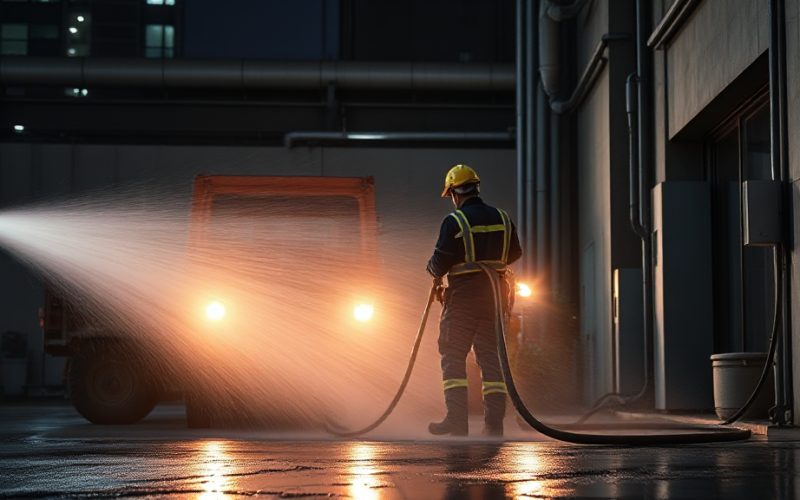
If the pipe is coated with hardened grease or scale, high-pressure water jetting scours the inner wall. This is common in restaurants and older residential buildings in Sacomã.
Step 4: Flow test and cleanup
The technician runs hot water through every affected fixture, checks for leaks at joints, and disinfects the work area. A good crew leaves the bathroom dry and the floor drain clear.
How much does it cost, and what changes the price?
Prices vary by blockage type and access difficulty. A simple sink unclog in Sacomã typically costs less than a main sewer line clearing. Emergency night or weekend calls add a premium. Hydrojetting costs more than mechanical snaking because it requires specialized equipment and more water.
| Service | Typical price range | When it applies |
|---|---|---|
| Simple drain unclog | Low | Single fixture, easy access |
| Sewer line clearing | Medium | Multiple fixtures backed up |
| Hydrojetting | Higher | Grease, scale, or roots in pipe |
| Emergency night call | Premium | After hours, weekends, holidays |
Ask for a written estimate before work starts. Reputable companies quote after diagnosis, not over the phone. If a technician quotes a flat price without looking at the drain, treat that as a warning sign.
What mistakes do first-time callers make?
The most common mistake is pouring chemical drain cleaner down the line before calling a professional. Those products can corrode older pipes and make the blockage worse. In Sacomã’s older buildings, cast-iron and clay pipes are especially vulnerable.
Another mistake is hiring based only on the lowest phone quote. A cheap quote often excludes camera inspection, cleanup, or a follow-up visit. The real cost shows up when the clog returns a week later.
- Using chemical cleaners on a fully blocked line
- Continuing to use water after a backup starts
- Ignoring shared building lines and blaming only your unit
- Not asking whether the company handles building cleanouts
One more thing: confirm the company serves your exact address. Sacomã covers a large area, and some firms list the neighborhood but only operate in neighboring districts. A quick address check saves a wasted afternoon.
How do you choose a reliable desentupidora in Sacomã?
Start with proof of local work. Ask how many jobs they have done in your building type, whether they carry insurance, and whether they provide a written service report. A company that handles condominium lines will know where the cleanouts are and how to avoid damaging shared pipes.
Check response time. A genuine 24-hour service answers the phone at night and gives a realistic arrival window. If the dispatcher cannot confirm a technician is available in Sacomã, call the next number.
Finally, look for preventive advice. A good technician will tell you what caused the clog and how to avoid it. For example, installing a drain strainer in the kitchen and flushing the line with hot water monthly prevents most grease blockages. When you need a desentupidora em Sacomã São Paulo SP that offers follow-up guidance, that is a sign of a professional operation rather than a one-off fix.
What should you do after the service is finished?
Run water at every fixture for two minutes and watch for slow drainage or gurgling. Check the base of the toilet and the floor drain for moisture. If the technician used a camera, ask for a copy of the footage or a written summary of the pipe condition.
Keep the service report. If the same line blocks again within a few weeks, that report proves whether the original work was incomplete. It also helps your building manager decide whether the shared stack needs a full hydrojetting or a repair.
For recurring problems, schedule preventive maintenance before the rainy season. In Sacomã, heavy summer rain puts extra pressure on older sewer lines, and a pre-season inspection catches root intrusion and cracked pipes early.
Frequently asked questions
Can a desentupidora work on a weekend in Sacomã?
Yes. Emergency services operate 24 hours, including weekends and holidays. Expect a higher call-out fee for after-hours work, and confirm the rate before the technician arrives.
Do I need to be home during the service?
For residential calls, yes. The technician needs access to the bathroom, kitchen, and any cleanout on your property. For building-wide lines, the síndico or manager usually provides access.
Will the desentupidora damage my pipes?
Professional equipment is designed for the pipe material. The risk comes from untrained operators who use the wrong auger size or too much pressure. Ask whether the company inspects the line before choosing a method.
How long does a typical unclog take?
A simple fixture unclog takes 30 to 60 minutes. A main sewer line clearing or hydrojetting can take two to three hours, depending on access and blockage severity.
What if the blockage is in the building’s shared line?
The desentupidora should document the issue and notify the building manager. Shared-line repairs are usually the condominium’s responsibility, not the individual tenant’s.
